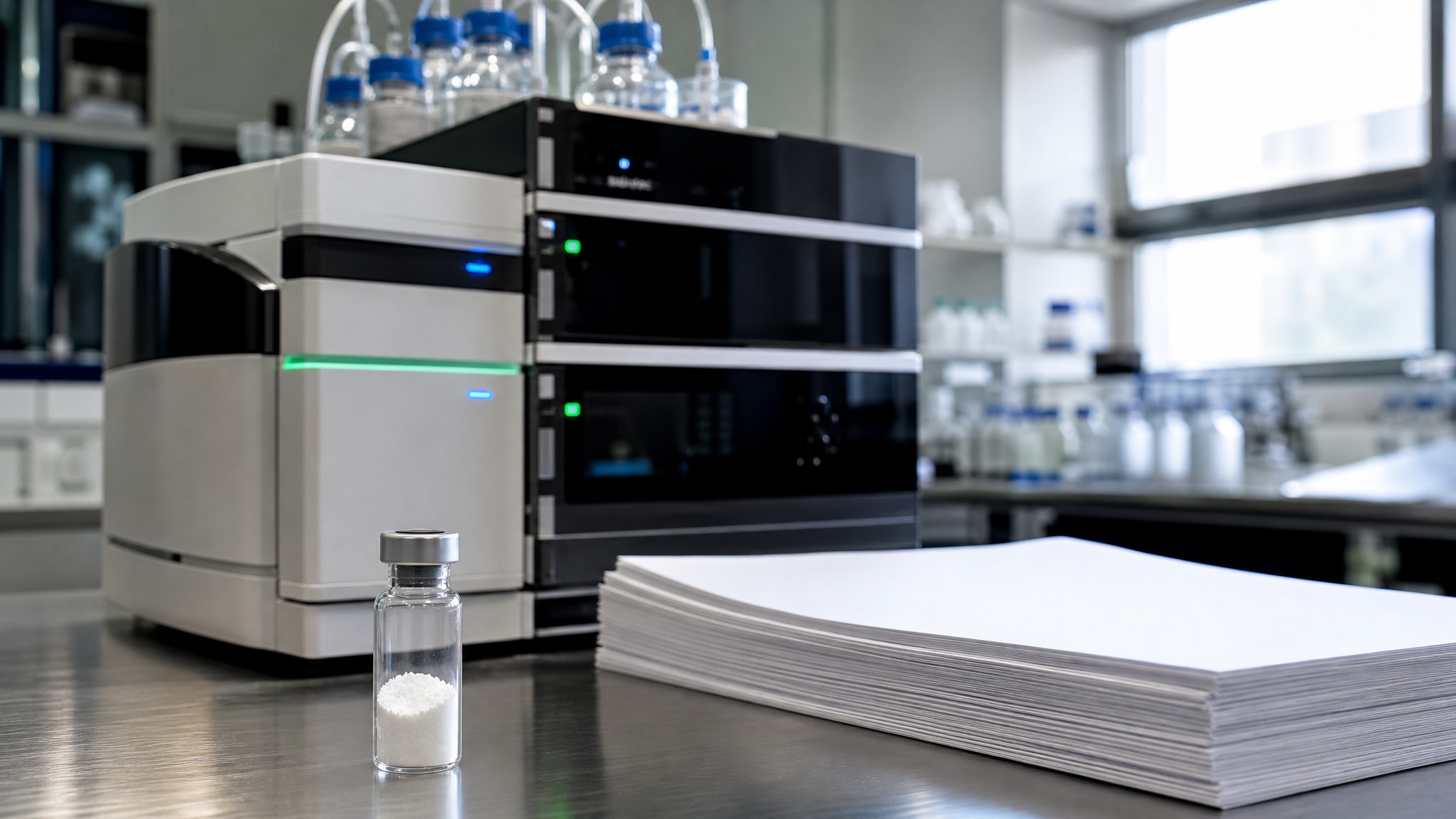
Unlocking the Benefits of BPC-157: Peptide Benefits and Effects
- Dave Roberson
- 3 days ago
- 3 min read
BPC-157 is a synthetic peptide derived from a protein found in the human stomach. It has gained significant attention in scientific and athletic communities due to its potential therapeutic properties. This peptide is recognized for its regenerative capabilities, particularly in tissue repair and inflammation reduction. The exploration of BPC-157’s benefits and effects reveals promising applications in medical research and performance enhancement.
Understanding Peptide Benefits and Effects
Peptides are short chains of amino acids that serve as signaling molecules in the body. BPC-157, specifically, has been studied for its ability to accelerate healing processes. Research indicates that BPC-157 promotes angiogenesis, the formation of new blood vessels, which is crucial for tissue regeneration. This effect supports recovery from injuries such as muscle tears, ligament damage, and tendonitis.
In addition to tissue repair, BPC-157 exhibits anti-inflammatory properties. It modulates inflammatory cytokines, reducing swelling and pain in affected areas. This dual action of promoting repair while controlling inflammation makes BPC-157 a valuable compound in therapeutic contexts.

The peptide’s stability in gastric juice also suggests potential for oral administration, a significant advantage over other peptides that require injection. This characteristic expands its usability and convenience for long-term treatment protocols.
Mechanisms of Action and Scientific Insights
The mechanisms underlying BPC-157’s effects involve multiple biological pathways. It interacts with growth factors such as VEGF (vascular endothelial growth factor), enhancing blood vessel growth and tissue oxygenation. This interaction supports faster healing and improved tissue function.
Moreover, BPC-157 influences the nitric oxide system, which regulates blood flow and cellular communication. By modulating nitric oxide levels, the peptide contributes to improved circulation and reduced oxidative stress. These effects are particularly relevant in conditions involving ischemia or chronic inflammation.
Animal studies have demonstrated BPC-157’s efficacy in healing various tissues, including muscles, tendons, ligaments, and even the gastrointestinal tract. These findings provide a foundation for ongoing clinical research aimed at validating its therapeutic potential in humans.
Applications in Sports Medicine and Recovery
The regenerative and anti-inflammatory properties of BPC-157 have practical implications for sports medicine. Athletes often experience soft tissue injuries that require extended recovery periods. BPC-157 may accelerate healing times, allowing for quicker return to training and competition.
In addition to injury recovery, BPC-157 may support joint health by promoting cartilage repair and reducing inflammation in arthritic conditions. This benefit is particularly valuable for athletes engaged in high-impact sports or those with chronic joint stress.
For optimal results, administration protocols should be tailored to the specific injury and individual response. Dosage and delivery methods vary, with subcutaneous injection being common. However, the peptide’s oral stability opens avenues for alternative administration routes.

The availability of BPC-157 from a reliable source is essential for research and application. Interested parties can access high-quality peptides through a bpc-157 10mg online store, ensuring product integrity and consistency.
Safety Profile and Regulatory Considerations
Safety is a critical factor in the adoption of any therapeutic agent. Current data suggest that BPC-157 has a favorable safety profile with minimal adverse effects reported in preclinical studies. Toxicity studies indicate low risk at therapeutic doses, but comprehensive human trials are necessary to confirm long-term safety.
Regulatory status varies by region, and BPC-157 is often classified as a research chemical rather than an approved pharmaceutical. This classification necessitates caution in clinical use and emphasizes the importance of sourcing peptides from reputable suppliers.
Researchers and practitioners should adhere to ethical guidelines and regulatory frameworks when utilizing BPC-157. Proper documentation and monitoring are recommended to ensure responsible application.
Future Directions in Peptide Research and Therapeutic Use
The potential of BPC-157 extends beyond current applications. Ongoing research aims to elucidate its effects on neurological conditions, cardiovascular health, and metabolic disorders. Early studies suggest neuroprotective properties, which could open new avenues for treating brain injuries and neurodegenerative diseases.
Advancements in peptide synthesis and delivery technologies will likely enhance the efficacy and accessibility of BPC-157. Innovations such as sustained-release formulations and targeted delivery systems are under investigation to optimize therapeutic outcomes.
The integration of BPC-157 into comprehensive treatment regimens may improve patient outcomes in various medical fields. Collaboration between researchers, clinicians, and industry stakeholders is essential to translate scientific findings into practical solutions.
Practical Recommendations for Researchers and Practitioners
For those engaged in peptide research or clinical application, several practical considerations are advised:
Source peptides from verified suppliers to ensure purity and potency.
Follow established dosing protocols based on current scientific evidence.
Monitor patient response and adverse effects carefully during treatment.
Stay informed on regulatory updates and ethical standards.
Engage in multidisciplinary collaboration to enhance understanding and application.
These measures will support the responsible and effective use of BPC-157 in advancing health and performance.
The exploration of BPC-157’s peptide benefits and effects reveals a compound with significant potential in tissue repair, inflammation control, and overall regenerative medicine. Continued research and careful application will determine its role in future therapeutic strategies.


Comments